


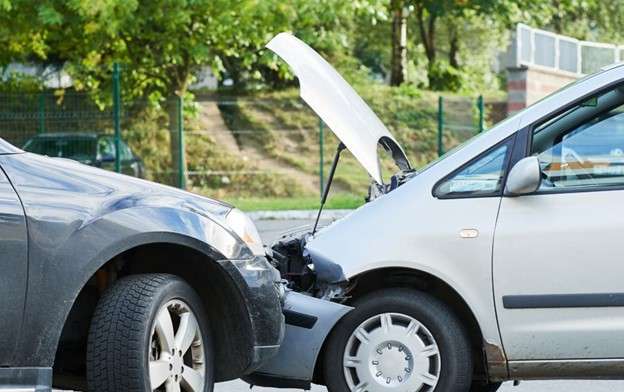
How Do You Determine Fault In A Head-On Collision?
Head-on collisions are much less common than other types of accidents. But when they happen, the effects are far more devastating for drivers and passengers. This is why understanding which party was at fault is crucial to these types of cases. Our guide will explain how fault is determined in these cases and the steps to take if you’re ever involved in an accident like this.
What Is A Head-On Collision?
Also referred to as frontal crashes, head-on collisions happen when two vehicles driving in opposite directions crash into each other. It usually occurs when a driver crosses into the other side of the road and collides with oncoming traffic. While they’re generally less common than other collisions, frontal crashes are more serious, with 59% of passenger deaths linked to this type of accident.
There are many reasons why head collisions happen, including:
- Driving while intoxicated
- Bad weather conditions
- Speeding
- Vehicle failures
- Inexperienced drivers
Who’s At Fault In A Head-On Collision?
Fault in a head-on collision will depend on the accident’s details. Insurance companies and courts typically look at the four main elements of negligence to prove who was at fault, which are:
- Causation: the connection between the driver’s actions and your injuries.
- Duty Of Care: the other driver’s responsibility to keep themselves and others safe on the road.
- Breach Of Care: the driver failing to show duty of care by driving irresponsibly.
- Damage: the injuries and damages you sustained due to the other party’s actions.
In the case of a head-on collision, you need to prove the other driver’s negligence led to the accident that caused you injuries. This could be by ignoring traffic signs, driving under the influence, or any other action that shows they were not using reasonable care in the moments leading up to the incident. If you can show enough evidence proving negligence, the driver will be held responsible for your damages.
What To Do Immediately After A Head-On Collision
If you’re ever involved in a frontal, here’s what you need to do as soon as you’re safe:
Call For Emergency Services Immediately
Frontal crashes almost always lead to injuries. That said, call 911 and get emergency treatment ASAP. A medical professional will give you the necessary first aid and examine your injuries. This initial medical record and the police’s incident report will serve as valuable evidence for your claim.
Take Pictures Of The Scene
Every detail counts in a personal injury claim. Take pictures of the scene and write down relevant information like dates and times, the other driver’s name and license plate number, and any details you believe might help your case later.
Ask For Witness Statements
Witnesses who saw the incident can provide an unbiased perspective and clarify any details disputed by the other driver or their insurance company. If you notice other drivers or pedestrians at the scene, ask them for personal statements and see if they’d be willing to testify.
Contact Our Lawyers Today
Head-on collisions could lead to lifelong injuries and even death in more serious situations. If you’ve been through this traumatic situation, you have the right to seek justice for what happened. Our Long Island accident lawyers can guide you through the entire process and ensure you win the compensation you deserve. Contact us at (866) 575-0457 to schedule your free consultation today.