


Can You Still Be Liable for a Crash During Heavy Rain?
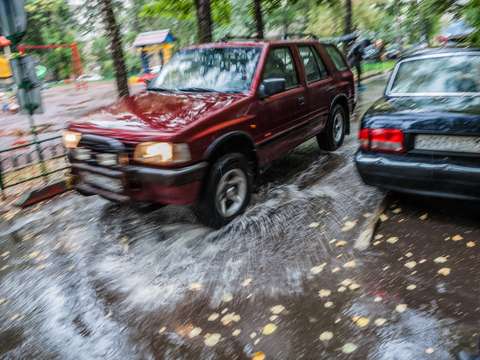
Driving in heavy rain naturally poses significant risks to anyone on the road. Whether it’s hydroplaning at high speeds or poor visibility, one split second is all it takes to cause a serious accident. Many drivers might blame the rain for their negligence behind the wheel. However, that couldn’t be further from the truth. Learn more about how rain may impact your Long Island accident claim and how fault is determined in these situations.
Does Rain Automatically Make an Accident “No One’s Fault”?
No, weather alone doesn’t remove liability. You’re still responsible for following safety rules and using proper judgment to keep yourself and others safe. Failure to do this, no matter the weather, could hold you liable.
Police and insurance adjusters will still try to determine fault using their own calculations and evidence found at the scene. If they think you’re responsible for what happened, you may end up paying more for damages. Always be careful while driving during heavy storms and take road conditions into consideration to avoid accidents.
When You Might Still Be Held Liable
While some cases may be more complex than others, there are a few situations where insurance companies could hold you responsible:
Driving Too Fast
While it should follow the speed limit in normal weather conditions, heavy rain is a different story. Drivers need to slow down and drive at a more reasonable speed. In fact, most drivers will go as slow as 10 to 30 mph just to avoid hydroplaning and potentially crashing into someone. Failure to do this is considered negligence, could affect your claim, and may even result in legal penalties such as fines.
Following Too Closely
According to state law, you’re required to keep a reasonable distance from the vehicle in front of you. This is especially true during a storm when stopping distances are much higher. Following too closely, also known as tailgating, during this weather, could lead to a serious accident. Keep your distance and leave enough space to safely slow down if the car in front of you brakes suddenly.
Not Using Headlights
Visibility is far lower during rainstorms, which is why headlights are a must. Not using or adjusting them for these conditions could be dangerous and could be interpreted as negligence by the insurer if it causes an accident.
How Is Fault Determined In These Cases?
Even with bad weather, investigators will examine the moments leading up to the accident to determine who was at fault. Some evidence they factor in during this process could be:
- Police reports
- Witness statements
- Vehicle damages
- Traffic cameras
These details help investigators understand how the accident unfolded and whether you failed to adjust to weather conditions.
Our Lawyers Are Here To Help
Rain doesn’t automatically excuse drivers from negligence or liability. However, we understand that accidents give you seconds to react before they actually happen. If you’ve recently suffered a serious accident due to bad weather and want to file a claim for damages, our Long Island accident lawyers will take a look at your case’s details and help you take the next steps. Please contact us at (866) 507-1730 to schedule a free consultation today.