


Rear-End Collisions: Is The Back Driver Always Responsible?
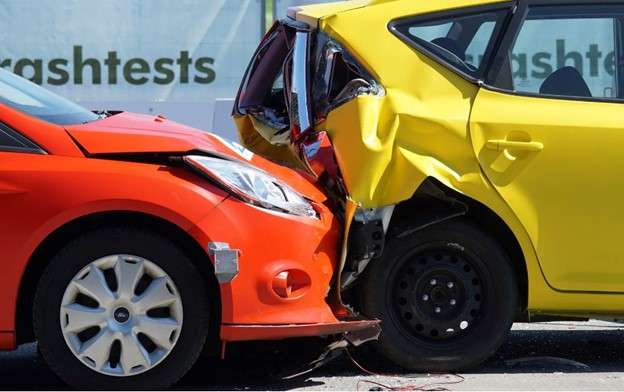
The last thing you expect while driving is the driver behind you to crash into your car at a high speed. Unfortunately, rear-end collisions are some of the most common accidents you’ll see on the road. According to the National Highway Traffic Safety Administration (NHTSA), 30% of accidents are rear-end collisions.
Most people think the rear-end driver is always to blame, but the reality is a lot more nuanced than that. If you were involved in this type of accident, understanding who’s responsible and why can make or break your accident claim.
What Causes Rear-End Collisions?
Accidents happen at any time for all types of reasons. However, some of the main causes linked to rear end-collisions include:
- Texting while driving
- Driving under the influence
- Following another driver too closely (tailgating)
- Bad weather
- Mechanical issues
- Randomly stopping
Determining what caused the accident plays an important role in figuring out who’s responsible. Regardless of whether you’re behind or in front, these details will be crucial to supporting your claim if you’re seeking compensation for your injuries.
When Would The Rear-End Driver Be At Fault?
Rear-end drivers are responsible for keeping a safe distance between themselves and the driver in front of them. A widely used standard for driving is the “three-second” rule. According to this rule, you pick a stationary object to count while driving. If you reach it before counting to three, you’re too close. This might lead to a rear-end collision if the vehicle in front slows down for any reason.
Another common reason rear-end drivers may be responsible for these car accidents is driving too fast. For example, say you suddenly get stuck in a traffic jam. In most cases, drivers gradually slow down to match the traffic flow. However, some drivers may not realize this due to negligence and won’t have enough reaction time to prevent the accident from happening.
Both cases show a clear failure to use the vehicle safely and responsibly.
Cases Where The Driver In Front Is At Fault
While New York’s law presumes the rear driver is at fault, there are some exceptions to this rule:
- You Were Driving At A Safe Distance: While the rear driver needs to mind their distance, they can also argue that the driver in front of them caused them to crash, such as cutting in without signaling.
- The Front Driver Stopped Randomly: Unless there was an obstruction or emergency, there’s no reason why a driver should randomly stop in the middle of the road. If this happens, a rear driver could argue that there was no way to prevent the accident.
- Other Factors: Courts and insurance will also take a look at weather conditions, mechanical problems, and other issues to determine fault.
- Comparative Negligence: New York is one of the few states that uses pure comparative negligence. That said, a driver can still be eligible for damages, even if they were primarily responsible for what happened.
Just because you were the back driver during the accident doesn’t mean you’ll automatically lose the case. A reliable accident lawyer will review your case’s details and help determine your level of responsibility.
Our Lawyers Are Here To Help
Have you recently suffered a traumatic rear-end collision and want to take the next steps? Our Long Island accident lawyers are here to protect your rights. We’ll review your case’s details and hold the other driver responsible for their actions. Please contact us at (866) 576-0484 to schedule a free consultation and start your claim today.