


What Are Common Seat Belt Defects That Cause Serious Injuries?
Wearing a seat belt saves thousands of lives each year from fatal injuries. Unfortunately, even these features aren’t fully safe. When they fail, the aftermath can be catastrophic for everyone involved. The question is, why do they fail, and who is responsible? This post covers a few of the most common defects that lead to injuries and a few parties you might file a claim against.
How Do Seat Belts Work?
Seat belts are designed to keep your body in place during a crash using a locking mechanism. When your car stops, your body naturally moves forward. A working seat belt prevents that from happening, especially during an accident when your head may hit the front part of your vehicle.
Most modern seat belts also come with pretensioners and load limiters, which are added safety features that detect accidents and reduce pressure on your chest.
Common Seat Belt Defects That Lead to Injuries
Failure to Lock During Impact
A seat belt system is supposed to instantly lock when your vehicle stops. But in some cases, the belt might not lock at the right moment. This can cause you to move way too far forward before the belt has the chance to tighten. During serious accidents, the sudden jolting can cause neck, head, and chest injuries that the seat belt was meant to prevent in the first place.
Seat Belt Fabric Tearing
Also called webbing, the fabric of your seat belt is what actually keeps you strapped in during a collision. However, vehicle manufacturers might use a weak or defective belt that tears under impact. When that happens, the restraint system fails and increases the risk of severe injuries.
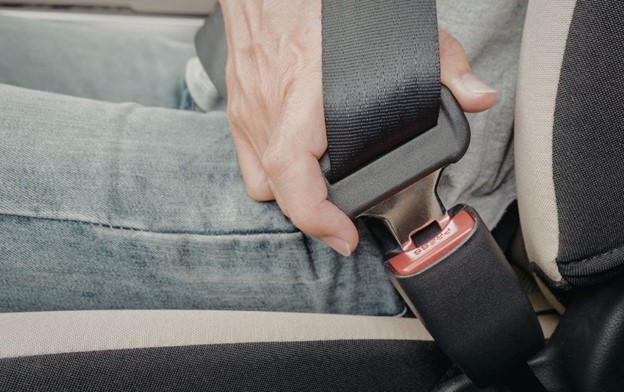
Defective Buckle or Latch Mechanisms
The buckle and latch are what secure the seat belt. If it functions properly, it should stay locked during the crash. But some might pop open during the accident or because it wasn’t fully secure. Regardless of the reason, this issue could leave you unrestrained during the moment you need it the most.
Pretensioner Malfunction
Pretensioners tighten the seat belt and keep you firmly in place during a crash. But if it fails to activate, the belt might stay loose during impact. This significantly reduces the risk of serious injuries in accidents.
Who’s Responsible For A Seat Belt Defect?
Getting into an accident with a defective seat belt might lead to a multi-party lawsuit. Besides the other driver, other parties who may be held liable include:
- Vehicle manufacturers
- Seat belt companies
- Parts suppliers
- Mechanics
Seat belt defect cases often fall under the category of product liability law. This type of case goes beyond general personal injury cases where you simply file a claim against the other person involved. In this case, you have the right to sue anyone responsible for your seat belt malfunction and seek compensation.
How An Accident Lawyer Can Help
The last thing you expect during an accident is for your seat belt to stop working. This one safety feature could mark the difference between minor injuries and a potential fatality. For this reason, holding the manufacturer or any other party involved responsible should be your first priority.
Our Long Island accident lawyers have been helping victims seek justice and win the compensation they deserve since 1952. Please contact us online or at (866) 507-1730 to schedule a free consultation with us today.