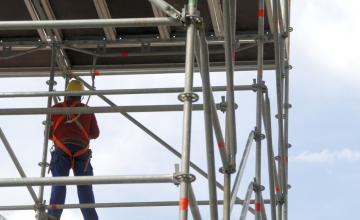
Scaffolding Accident Prevention
Scaffolding is commonplace at construction sites and according to the U.S. Occupational Safety and Health Administration (OSHA), an estimated 2.3 million construction workers, or 65 percent of the construction industry, work on scaffolds. These
What Happens if I Get into an Accident with Children in the Car?
Automobile accidents are stressful under any circumstance, but when children are involved, it’s incredibly frightening. Whether it is a simple fender bender or something more serious, there are steps you can take to mitigate the unfortunate difficulties resulting from an accident.
Swimming Pool Safety for Accident Prevention
Many of us live to make the most of our summers and set aside time accordingly. Whether employment is linked to the school calendar or hours are more reasonable during the summer months, the
Drop object work accidents are preventable
Dropping an object may not seem like a big deal for New York residents, but it can mean the difference between life and death at a construction site. Something as innocuous as a hammer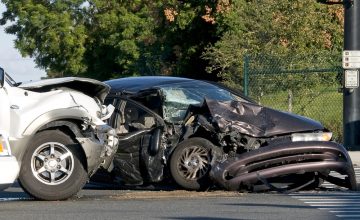
Steps to take following a car accident
What a car accident victim does after a car accident can be important, especially if the victims decides at some point to bring a claim for the damages they have suffered against the negligent
Man arrested and charged after stray gunshot hits bystander
Some of our readers in the New York City metro area may have heard about a recent incident that allegedly occurred in Times Square, in which reports indicate that a tourist from Missouri was
Were you in an accident caused by a drowsy driver?
While distracted or impaired driver-related accidents are commonplace, it might be more challenging to identify drivers who were too fatigued to safely operate a motor vehicle. In short, there is no test for tiredness.
Workers’ compensation is for injuries during scope of employment
In order for a New York employee’s workplace injury to be covered by workers’ compensation, it must be related to their employment or their employer’s orders. Examples include carpel tunnel caused by repetitive motion